

The Best Rye Whiskey for an Old Fashioned: 10 Picks (+ How to Choose)


Buying Guide · Updated for 2026
The Best Rye Whiskey for an Old Fashioned: 10 Picks (+ How to Choose)
The best rye whiskey for an Old Fashioned comes down to four things — proof, mash bill, finish, and price. Here is what actually matters, with our 10 community-rated picks as illustration.
The shortlist
The Best Ryes for an Old Fashioned
Before you buy: Test any of these ryes both neat and with a couple of drops of water. A pipette of room-temperature water often reveals whether a rye's spice will hold up in an Old Fashioned — or get lost.
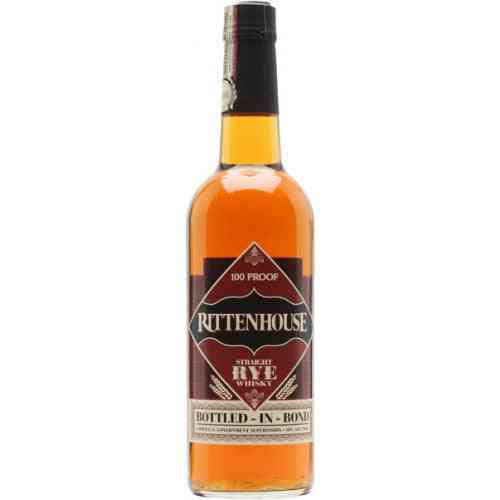
Rittenhouse Bottled-in-Bond
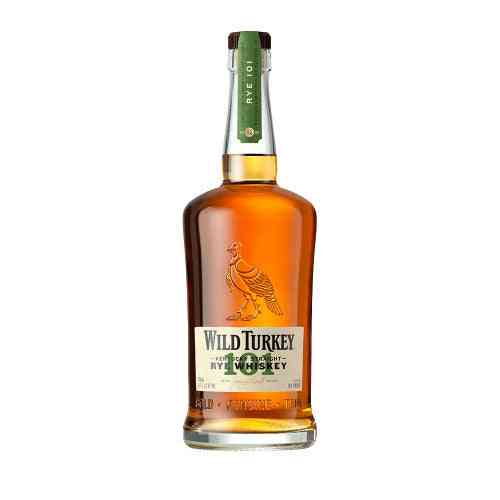
Wild Turkey 101 Rye
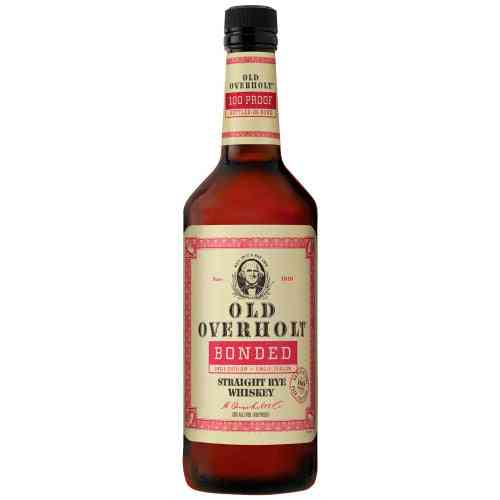
Old Overholt
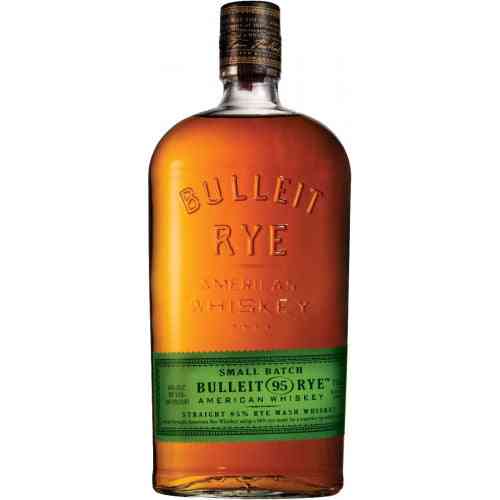
Bulleit 95 Rye
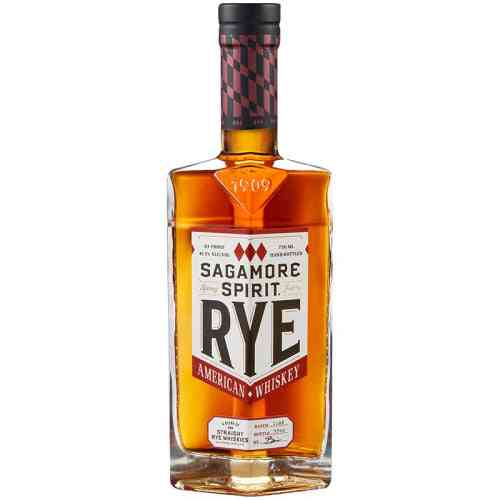
Sagamore Spirit
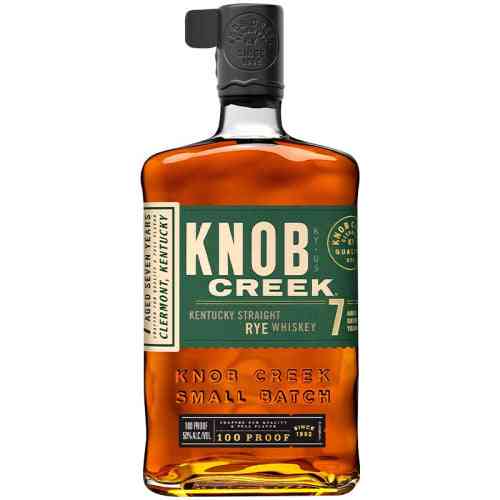
Knob Creek 7-Year Rye
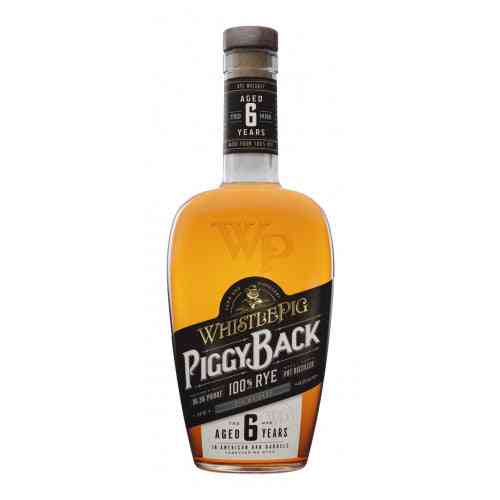
WhistlePig PiggyBack 6yr
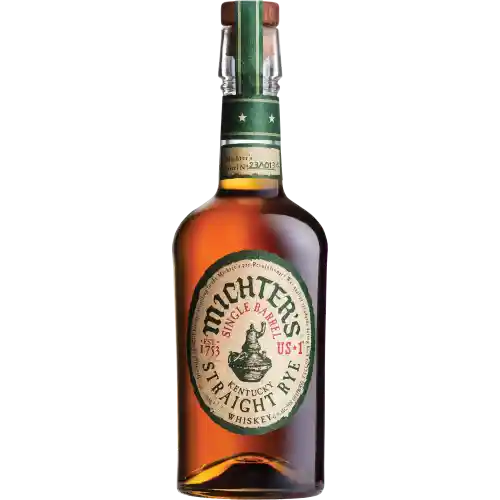
Michter's US*1 Single Barrel
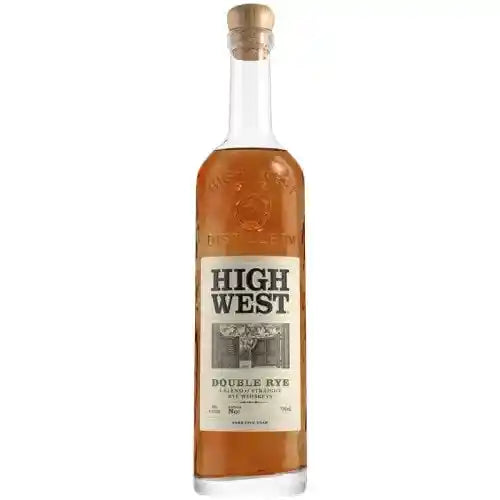
High West Double Rye
Two ryes blended for balance and complexity.
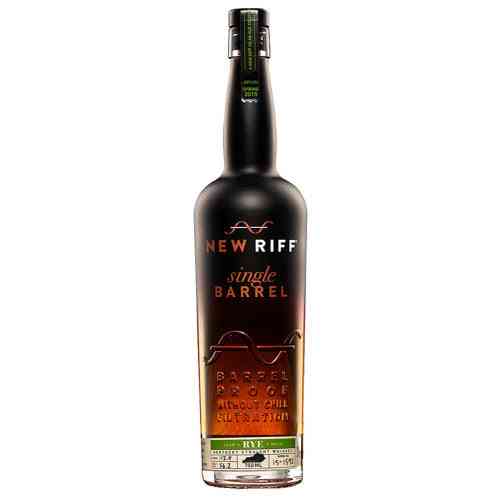
New Riff Single Barrel Rye
Bottled-in-bond single barrels, no two alike.
Looking for the comprehensive 21-bottle community-rated library? Browse the full collection here →
Want the full picture?
Browse all 21 community-rated rye whiskeys
Our complete library of ryes rated 5 stars for Old Fashioned performance — sortable, filterable, all reviewed.
Buying Guide
4 things that actually matter when you pick a rye for an Old Fashioned
Picking a rye for the Old Fashioned isn't complicated, but most "best rye" guides skip the things that actually determine whether the bottle works in the cocktail. Here are the four criteria that matter — in the order they matter.
Those four criteria are rye-specific by design. If bourbon and the other styles are still in the running for you, our wider guide to the best whiskey for an Old Fashioned applies the same test across the whole whiskey shelf.
Proof: aim for 90+
In an Old Fashioned, the rye competes with sugar, bitters, water, and an orange peel. Anything under 90 proof will read as "watered down" once your big ice cube starts diluting the build. The sweet spot is 95–110 proof — enough backbone to taste rye through the mix, not so hot it numbs the palate.
Rule: under 90 proof, save it for sipping neat.
Mash bill: 51–95% rye
By US law any rye is at least 51% rye grain. Bottles in the 51–60% range (Bulleit, Sazerac, most "barely-legal" ryes) drink almost like spicy bourbon — soft, balanced, sweet-leaning. 95%+ ryes (MGP-distilled bottles like High West Double, James Pepper 1776) bring sharper spice and clearly assert themselves through the cocktail. Both work; pick based on whether you want the rye in the foreground or the supporting role.
Rule: 51–60% for soft, 95%+ for assertive.
Finish: oak, spice, or sweet
Three finish profiles dominate the Old Fashioned-friendly category. Oak-forward (Knob Creek, Sagamore Double Oak) leans into the cocktail's woody side and pairs beautifully with brown sugar or demerara. Spice-forward (Wild Turkey 101, Rittenhouse) drives big rye character through dilution. Sweet-leaning (Yellow Rose's wheat-rye blend, Woodford Reserve) creates a softer, fruit-friendly Old Fashioned.
Rule: match finish to your sweetener.
Price: returns flatten above $60
Diminishing returns kick in around $60. A $30 Rittenhouse and an $80 WhistlePig will both make a great Old Fashioned — the WhistlePig is more sippable solo, but in the cocktail the difference compresses. For the build itself, the $25–60 range is where you'll get most of the upside. Save the showcase bottles for neat pours, save the budget bottles for cocktails, and use the mid-range as your everyday Old Fashioned rye.
Rule: under $60 for cocktails, over $60 for sipping.
How we picked these 10
Our community library currently holds 21 rye whiskeys that scored 5/5 specifically for Old Fashioned performance. To get to a usable top 10, we filtered to bottles you can actually find at retail (excluding Van Winkle Rye and Boss Hog from the top 10 for that reason — both stay in the full library), then balanced the list across price tiers so a beginner, an everyday drinker, and a showcase-pour buyer all see something useful.
Every bottle here has a full review on the product page — community rating, flavor profile, what the bottle does well, and what it doesn't. Click any card to read.
Want our community's full ranking?
21 ryes rated for Old Fashioned use
Every bottle in our library that scored 5/5 for Old Fashioned performance — community-tested, currently in stock, sortable by price and finish.
What to avoid in an Old Fashioned
- Anything under 90 proof. Canadian-style ryes at 80 proof will disappear once your ice cube melts. They're fine on the rocks neat; in the cocktail they're invisible.
- Heavily-finished or flavored ryes. If a rye has been finished in maple barrels or rum casks, you're already adding flavor that competes with the sugar/bitters. The Old Fashioned is meant to highlight the rye, not stack two flavor layers.
- Single-barrel "trophy" pours. Spending $200+ on a rye for an Old Fashioned is throwing money at the cocktail's dilution. Save those for a clean Glencairn pour.
- Anything labeled "rye" without proof verification. Some American "rye-style" whiskeys are 60-something proof and skirt the legal mash bill. Check the label — must be 51% rye, must be 80+ proof minimum, ideally 90+.
The Canadian point in that list is a broad rule rather than an absolute one, and our Canadian and American rye head-to-head covers the higher-proof exceptions alongside the occasions where the softer style is the better choice.
How to taste-test a rye for Old Fashioned use
Before committing to a bottle, here's how to check whether a rye will work in the cocktail:
- Smell it neat. Spice should dominate. If you mostly smell oak, vanilla, or caramel, you're drinking something that will bend toward bourbon territory in the cocktail.
- Taste it with one large ice cube and 90 seconds. Add a single 2-inch cube to a tasting glass with 1.5 oz of rye. Wait 90 seconds. Sip. This is roughly what your rye will taste like in the Old Fashioned after the first stir.
- If the rye still has spice + character at 90 seconds, it'll work. If it's gone flat or watery, it won't survive the cocktail's full dilution.
- Then build the actual Old Fashioned. The taste-test above is a shortcut. The real test is the cocktail. If the rye reads in the final drink — meaning you can identify rye character through the sugar and bitters — it's a keeper.
Frequently Asked Questions
What proof should rye whiskey be for an Old Fashioned?
90 proof minimum, 95–110 ideal. Below 90 the rye disappears once your ice cube starts diluting the cocktail. Bottled-in-bond ryes (always 100 proof) are the easiest no-brainer in the category — Rittenhouse Bonded is the classic example.
Is expensive rye whiskey better for an Old Fashioned?
Not really. Returns flatten above $60. A $27 Rittenhouse and an $83 WhistlePig 10-Year will both make a great Old Fashioned — the WhistlePig is more sippable on its own, but in the cocktail's dilution the gap closes. Save showcase bottles for neat pours.
What's the best budget rye for an Old Fashioned?
Rittenhouse Bottled-in-Bond ($26.99) or Wild Turkey 101 ($29.99). Both are 100+ proof, both have decades of cocktail-bartender endorsement, both are widely available. If your store has both, Rittenhouse is the cleaner option; Wild Turkey 101 is the bolder one.
Can you use Canadian rye in an Old Fashioned?
Most Canadian "ryes" are blended whiskies that are 80 proof and contain less than 51% rye grain — they don't meet US rye standards. They'll read as "weak" in an Old Fashioned. If you want a Canadian rye that performs, look at Alberta Premium or Lot 40 — both are higher-proof and rye-forward enough to survive.
What mash bill should I look for?
Either end of the spectrum works for an Old Fashioned. 51–60% rye (Bulleit, Sazerac) drinks soft and balanced. 95%+ rye (High West Double, James Pepper 1776) drinks sharp and assertive. Avoid the muddy middle (60–80% rye) — those bottles often lack identity and the cocktail loses focus.
What's the right rye to start with if I'm new to rye whiskey?
Start with Wild Turkey 101 or Knob Creek 7-Year. Both are widely available, both around $30–48, both are clearly identifiable as rye without being aggressive. Once you know whether you prefer spice-forward (lean into Rittenhouse, Wild Turkey) or oak-forward (Knob Creek, Sagamore Double Oak), you can climb the ladder.
Continue Exploring
Complete map of every Old Fashioned variation, technique, ingredient guide, and comparison — RyeCentral's full editorial library.
Thanks — that helps us make this better.